
They Deconstructed
How I reworked a field recording from the Boros Collection bunker (Berlin) into a doom/ambient track

This month I’m working on the autumn project of Cities and Memory - remixing the world, one sound at a time. If you don’t know about Cities and Memory I suggest you check it out. And if you’re here you’ll probably be interested.
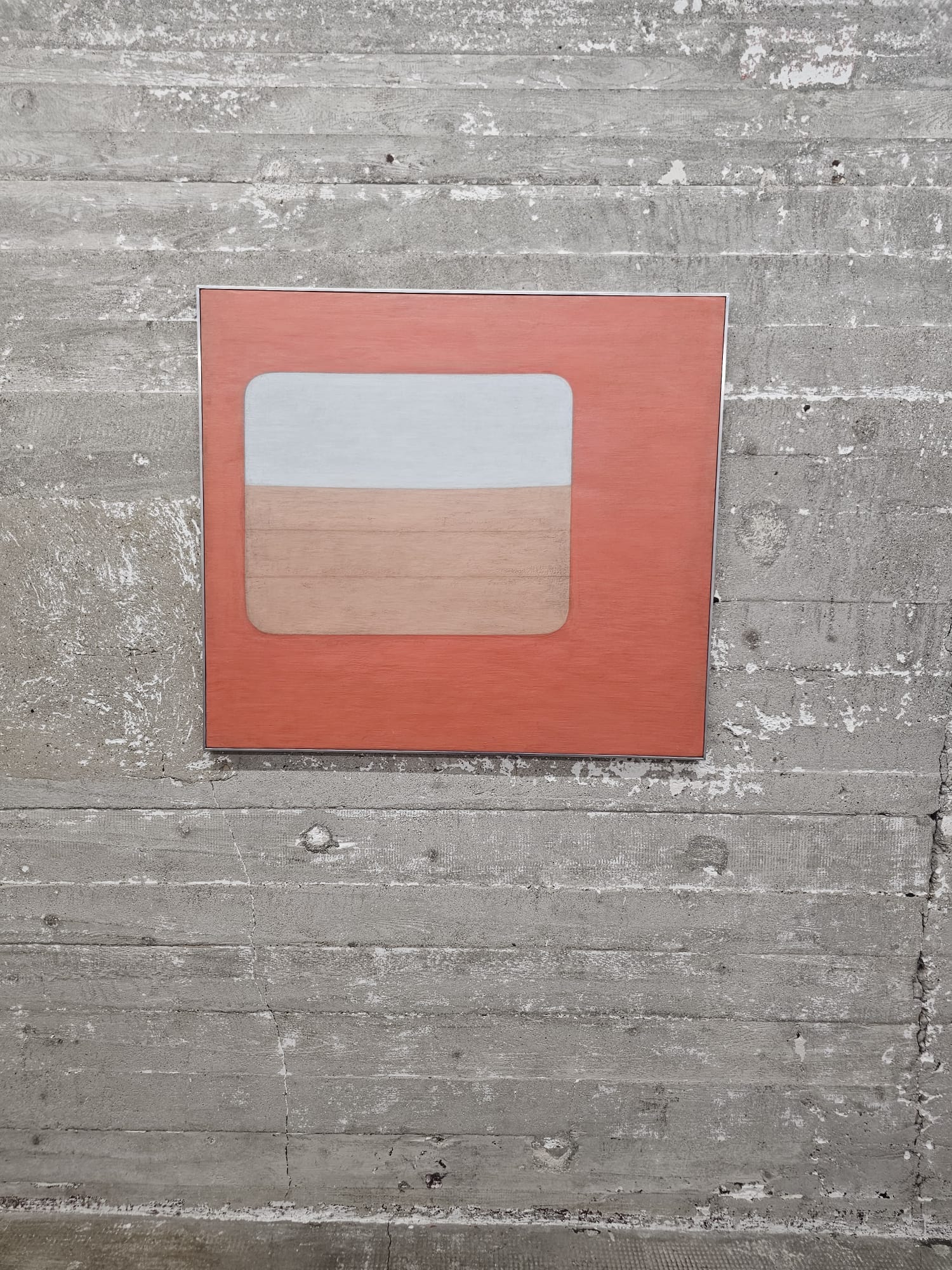
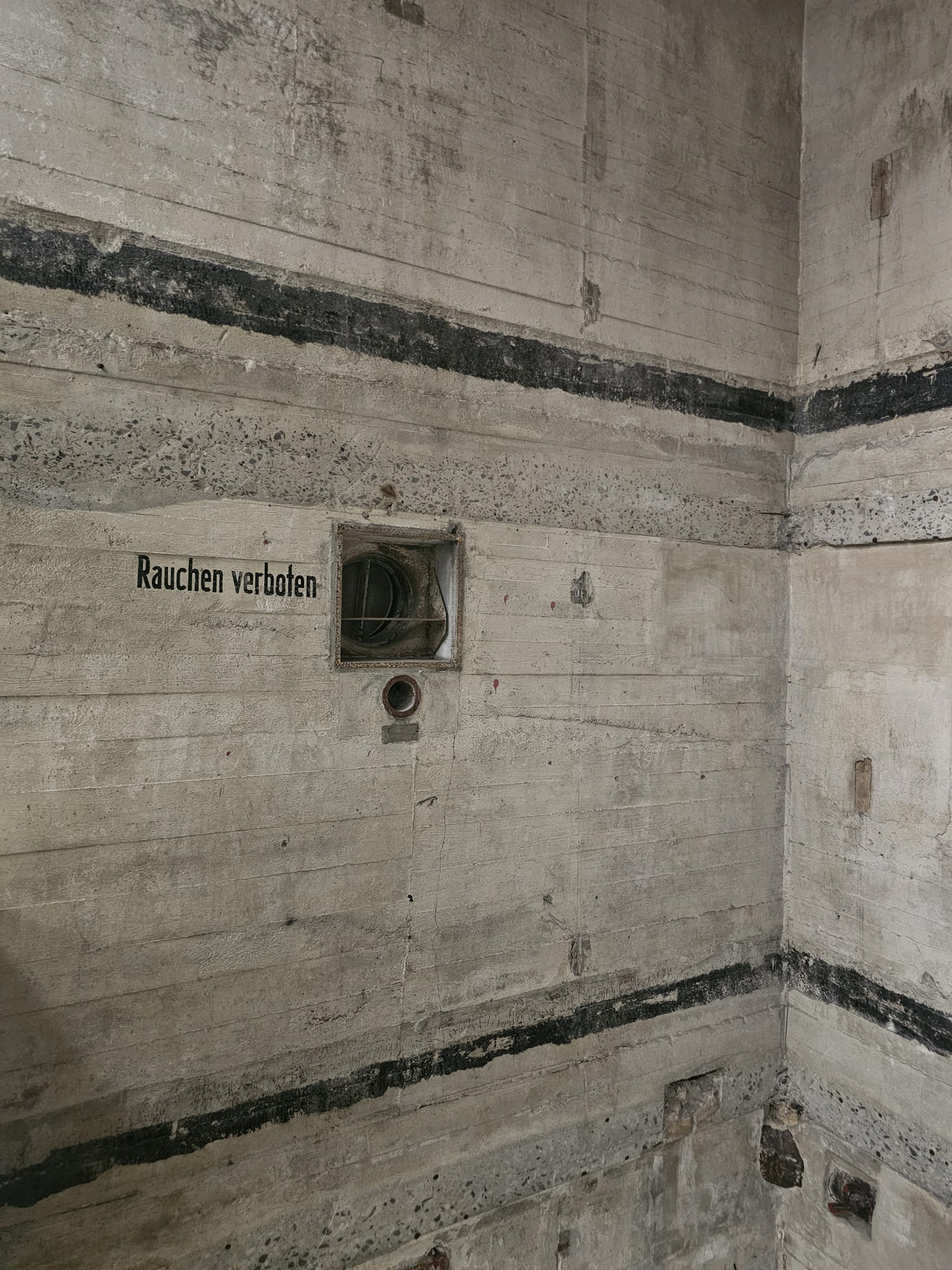
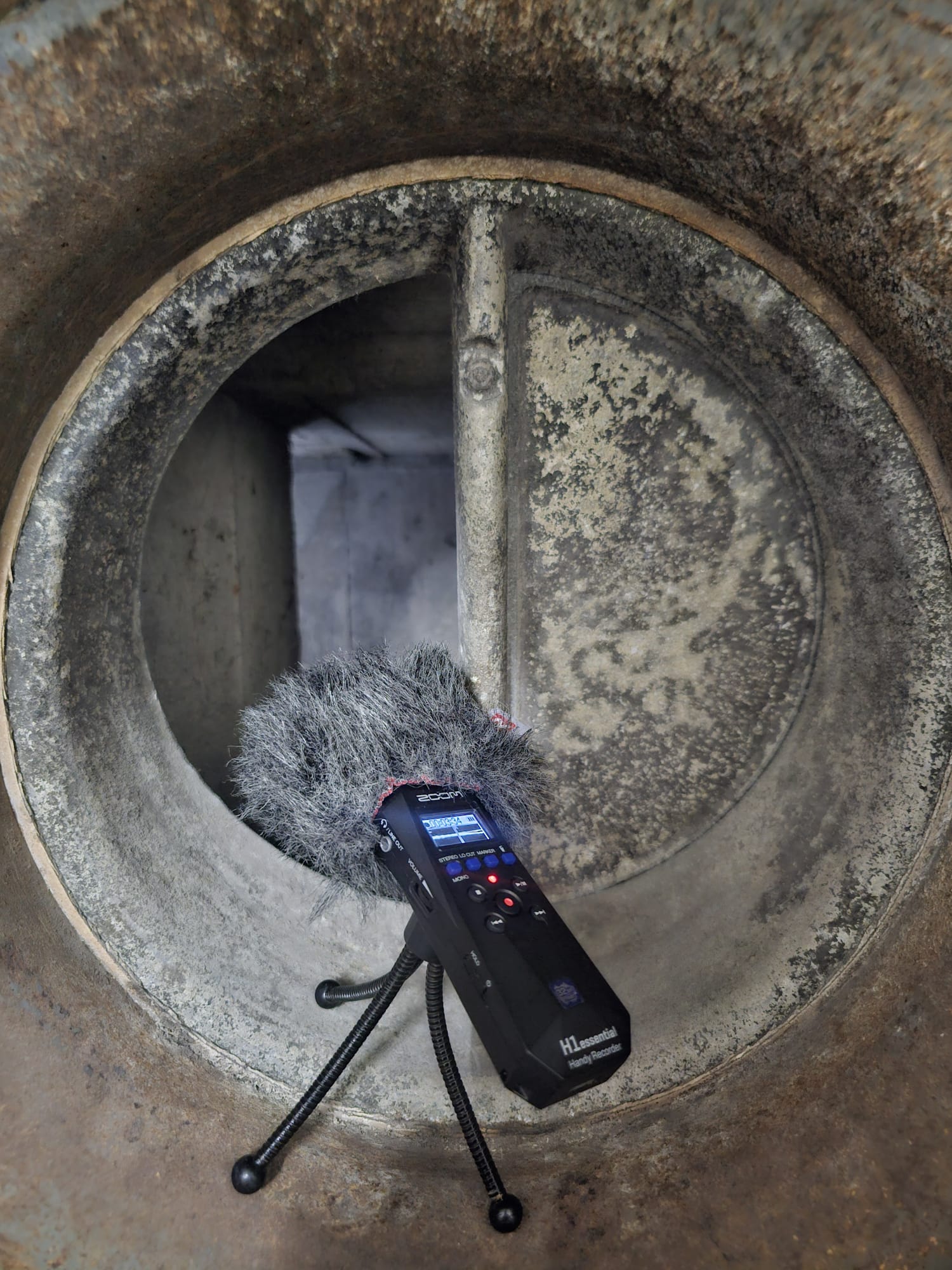
Inside the Boros Collection bunker, listening to a sound installation of distorted bells on a speaker suspended by chains, made by Eliza Douglas. The space has a fascinating past as a shelter, a prison for political prisoners, and a techno and sex club - and now it hosts a conceptual art exhibition. The sound captures both the muffled sounds of museum-goers on one side, and the passage of air and the sounds from Berlin outside on the other.
The voices are gradually drowned by bells, bells that grow louder and distorted, to resemble a grinding synth sound that would work well in a NIN soundtrack.
This sound is meaningful to me on many different levels. I have a long history with Berlin, I spent lots of time there partying, visiting every Stasi-related museum, and drinking expensive artisan coffee.
To use a sentence so boilerplate it would be less embarrassing to claim AI wrote this: this is my love letter to Berlin.
Can’t be bothered reading all this? Go straight to the music:
Let’s crack on with the workflow
Step 1: Ideation
I want to achieve an atmosphere that evokes all that, something suspended, hopeful, driven by dark, deep drones.
Let’s start with two piano chords, open and suspended. These will open the track, setting the tone. Adding passage chords and a couple of variation for when the piano will re-emerge from the ambient drone, or whatever is going to happen in the middle.
An arpeggio, sequenced on my Microfreak, will pull those chords together, insisting on three notes.
Step 2: the Bass
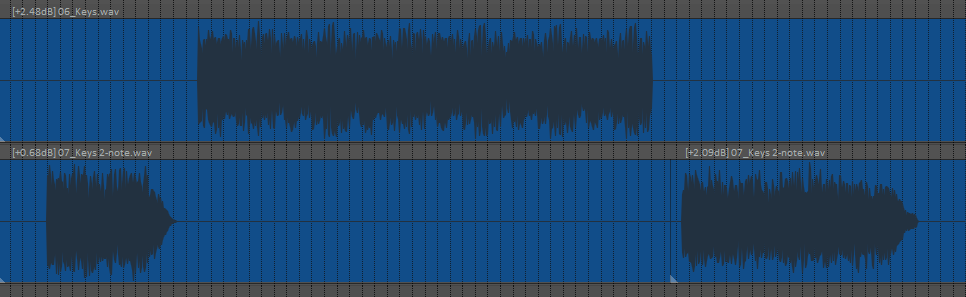
I assign the bass task to my Volca Keys, with some detuning and a touch of LFO for a dynamic, analogue feel. To add some character and movement I texturise it with a section of the recording where the growling bell sound is at its most distorted and has a transient that hits every six 1/8th.
One simple 4/4 line, accompanies the piano chords, while another one, in 6/4, is going to work as the foundation of the centre piece.
Step 3: the FX
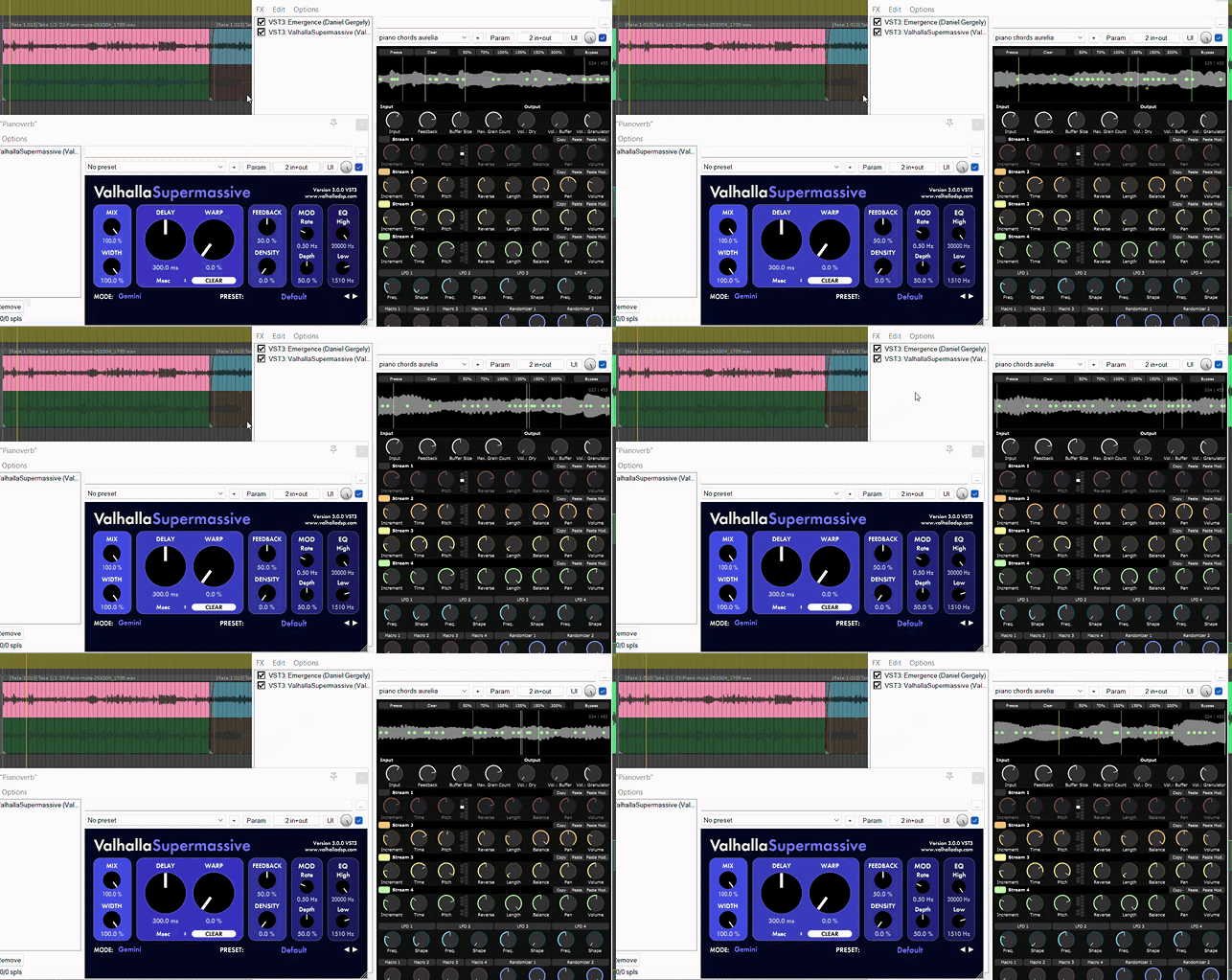
I send the piano chords to two tracks, each with a different reverb effect. I lower the volume of the original track so that only the wet signal is audible.
The first is a delay, the second is a granular reverb the comes out as a completely different instrument. Almost like a rusty harmonica.
Step 4: the centre piece
I let the 6/4 bass line go on loop and I improvise on the higher octaves of the piano. The melody is there but I can't quite get it.
I bring down the volume of the piano track to zero and route it through the two FX tracks. Here we go, it brings tear to my eyes. I do a few takes but the first one is the one that really brings it home.
Step 5: the field recording
Other than using the distorted bells to sound engineer the synth bass, I’d like to use the chatter to bring some narrative to what is a 6-minute ambient piece.
The chatter is great to fill up frequencies and bring some chaos but it’s also difficult to get out of it. Once the chatter starts, it feels quite weird when it stops. To work around this there are two techniques I usually go for:
Make it intentional. One of the few discernible pieces of dialogue is a woman saying “Deconstruct”. I cut that word out and drop it in three times, at regular intervals, to make it sound like that’s how it’s meant to be. And it is.
Play it in reverse. I’m sure there’s some scientific explanation behind this, but I feel that the brain focuses too much on the voices, trying to understand what they say, or sounds, trying to understand what caused it. A door slamming is immediately recognisable, it has meaning and your brain takes you there. But when you play it in reverse it’s just a transient sound that can be used as rhythmic element.
Step 6: Post production
Usually here is where I look for overlapping frequencies and adding movement. I had pretty much sorted that out while recording so there was little to do here.
The only sequenced part is the Microfreak arpeggio, the rest is recorded live so that any repetition sounds slightly different. The main intervention was to duplicate the synth-like piano track and pan them out. Each of them has a panning automation that makes it slightly move back and forth at different speed.
Step 7: Mixing and mastering
Not my favourite part. Sorting out the frequency overlaps with some sidechaining was easy, but how can I make everything stand out when everything is so LOUD (and it’s meant to be)? It was not easy to balance the fat bassline with the busy theme but I’m happy with the result.